
Train Dreams
Released November 21, 2025 (Netflix)
Directed by Clint Bentley
Written by Greg Kwedar and Clint Bentley (Based on a novela by Denis Johnson)
* No Spoilers - but some brief discussion about the overall themes and some character moments*
Clint Bentley and Greg Kwedar, who wrote and directed Sing Sing (one of my favourite films of 2024), are back with another stunning, reflective, and moving film. Train Dreams follows the life of Robert Grainer, a logger in the American midwest navigating a rapidly changing world. The life story of a logger doesn’t sound very exciting, but this film conveys genuine joy and deep pain with a sweetness that grips you from start to finish.
Rather than an intricate plot Train Dreams unfolds a collection of moments, glued together by a powerful emotional journey. It’s a story of guilt, grief, and appreciation for the small echoes of goodness amidst a difficult life. Feeling like a folk legend, the narration by Will Patton (Yellowstone) guides you along, tenderly bookending the opening and closing of the film.
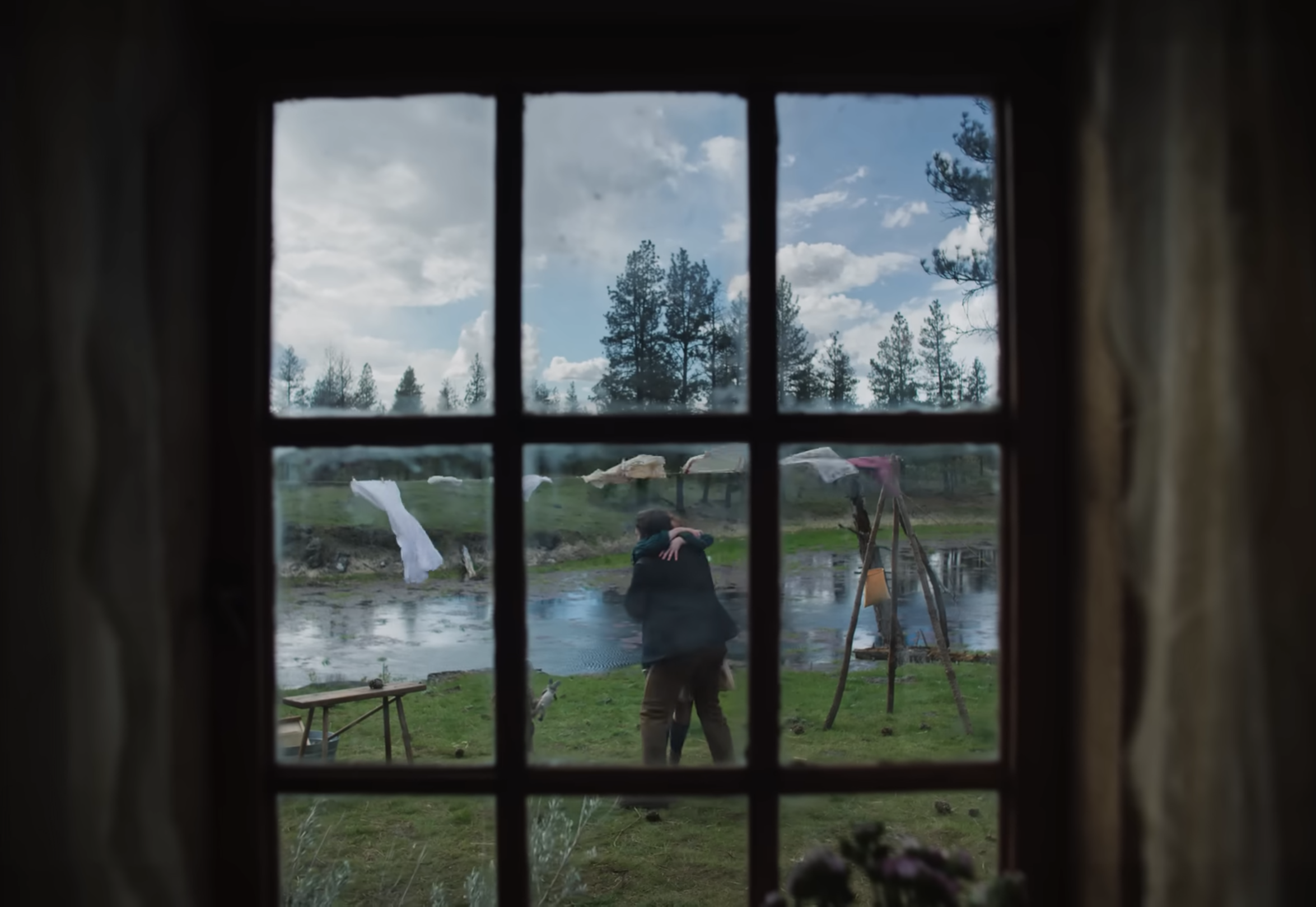
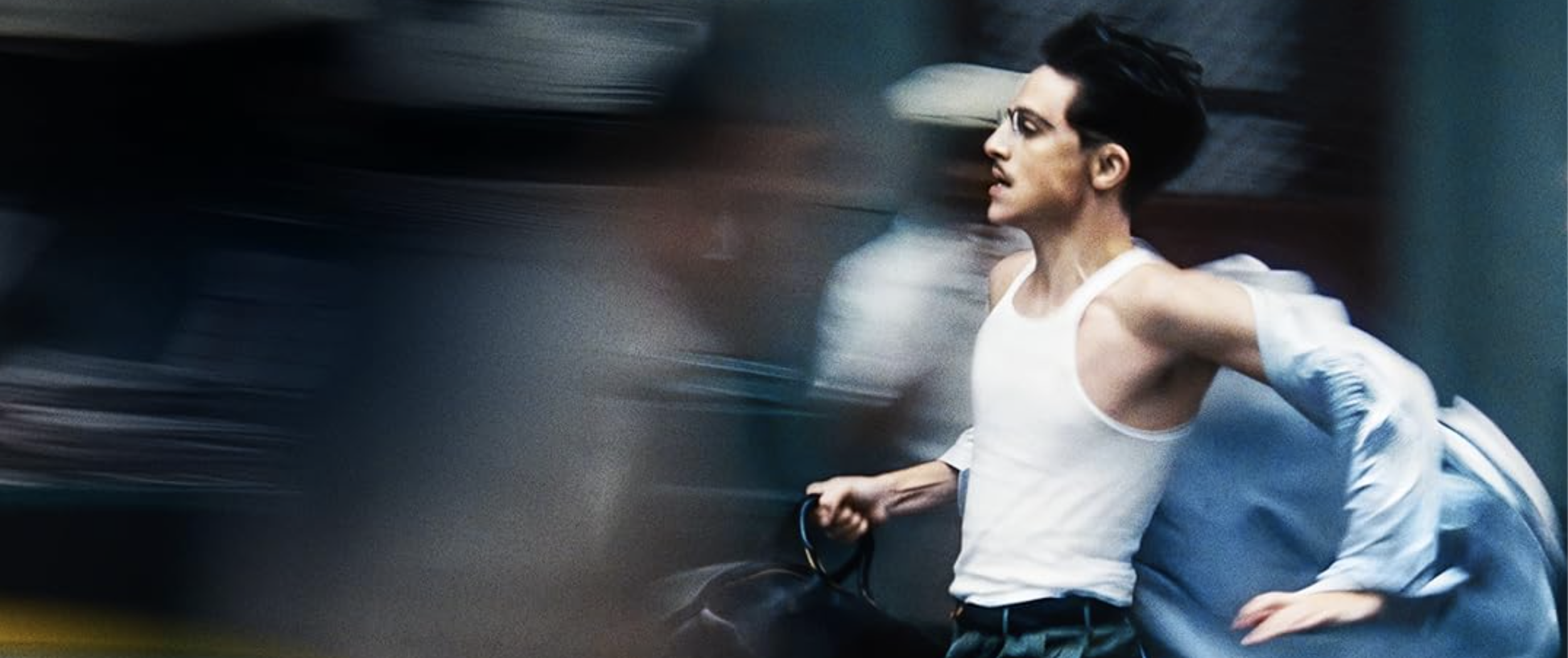
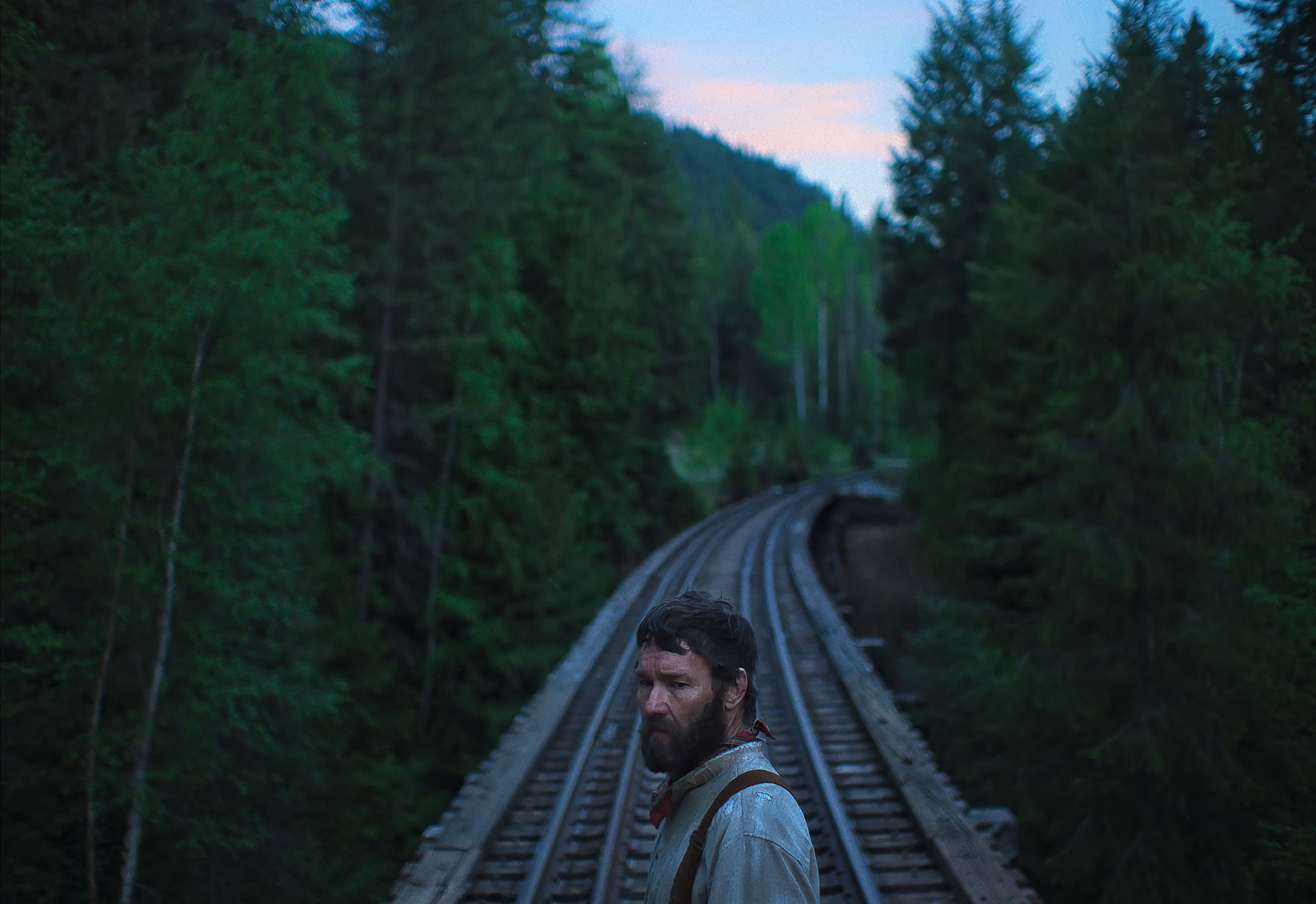
Visually stunning from the very first frame, every shot in this film is precisely composed. You could pause it at any moment and see something worthy of an art museum. I can say with absolute confidence that this is the most beautifully shot film I have seen in 2025. Composition is just one part of that. Wide-angle lenses expand the frame and emphasize negative space, while long lingering shots stew in the scenery before they cut away. The camera is static as characters move around the space, keeping things dynamic. It’s not a new technique but one that is sorely missing amidst the rapid editing of contemporary cinema. Far from just aesthetic, the deliberate framing and prolonged shots compel the viewer to engage with the film’s deeper themes.
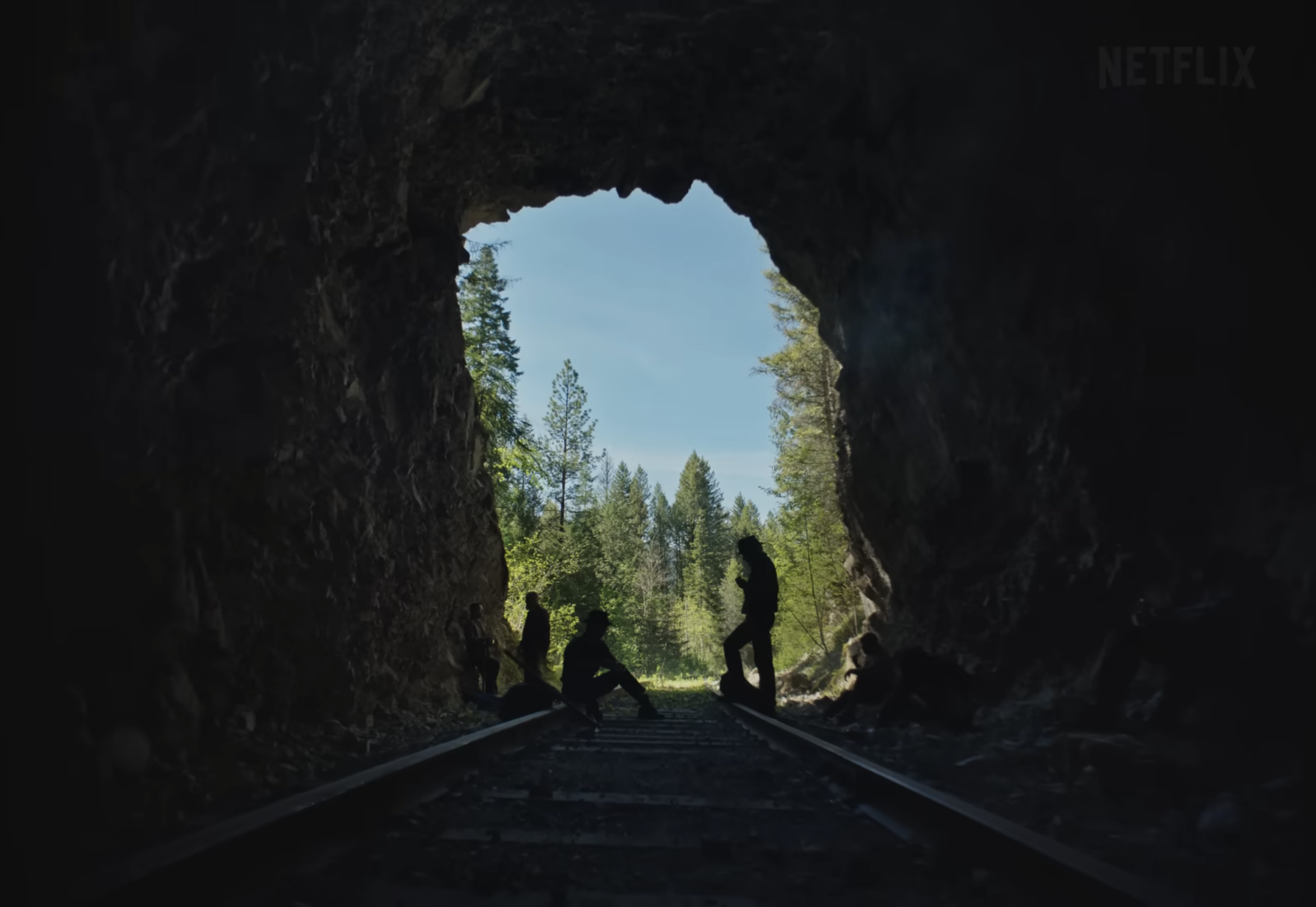
Train Dreams is thematically rich with a nuanced critique of American nation building, both past and present. Following a labourer at the turn of the century, we see the grand ambitions of the country and the bodies and souls sacrificed to build it. The commentary on corporate expansion is biting, revealing how the labourers who built the country’s infrastructure, like the many Chinese workers who died constructing the railroads, were treated as expendable tools for an expansive capital project. People die, and middle management who addresses the workers has little to say except, “Sorry, it’s the company.” A chilling reminder of the exploitation that exists to this day.
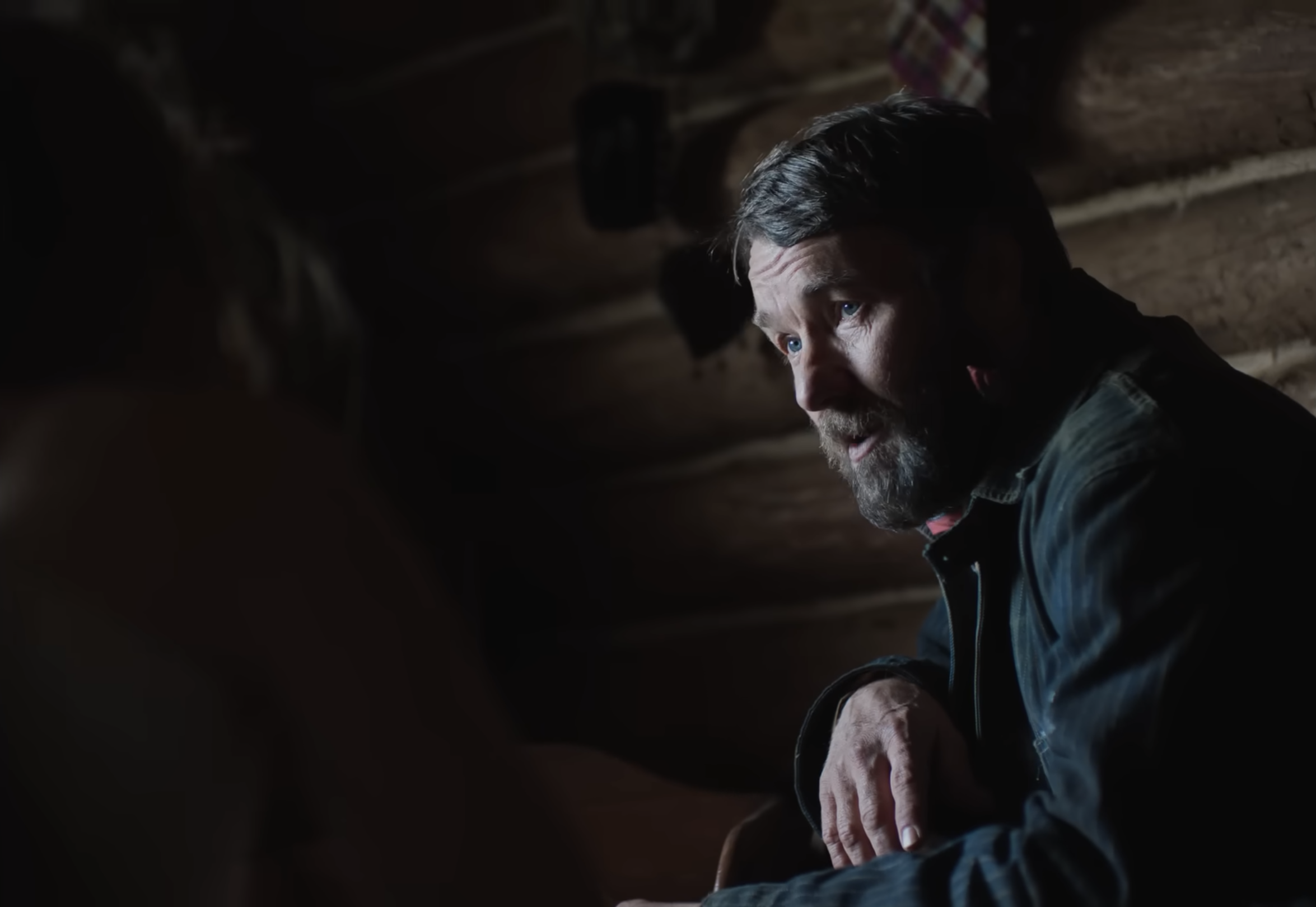
Grainer’s work as a logger also raises the films environmental concerns, from the immense ecological toll to the deeply personal cost of cutting down a 500-year-old tree. The film reminds us of how “it hurts your soul, even if you don’t know it yet.” A character comments that the forest is an infinite resource that will never deplete. Such naivety is easy to judge in hindsight, but only because we know the insatiable greed of modern enterprise. The film makes it a point to show those who warn that “every thread we pull affects the design of things.” A sentiment that is clear when looking back, but far more muddled when looking ahead.
There is a strong message about the passage of time and the way the world changes right before our eyes, feeling even more raw given the speed at which technology continues to reshape our lives. This is no better symbolized than a shot of a tree that has grown around a pair of boots nailed to it many years ago. Grainer, feeling like a man out of time, struggles with how the men around him seem different. He questions his place, “I don’t know if it was always this way…and I just don’t remember it.” One of many powerful questions the film raises but doesn’t seek to answer, instead letting them linger in your mind.

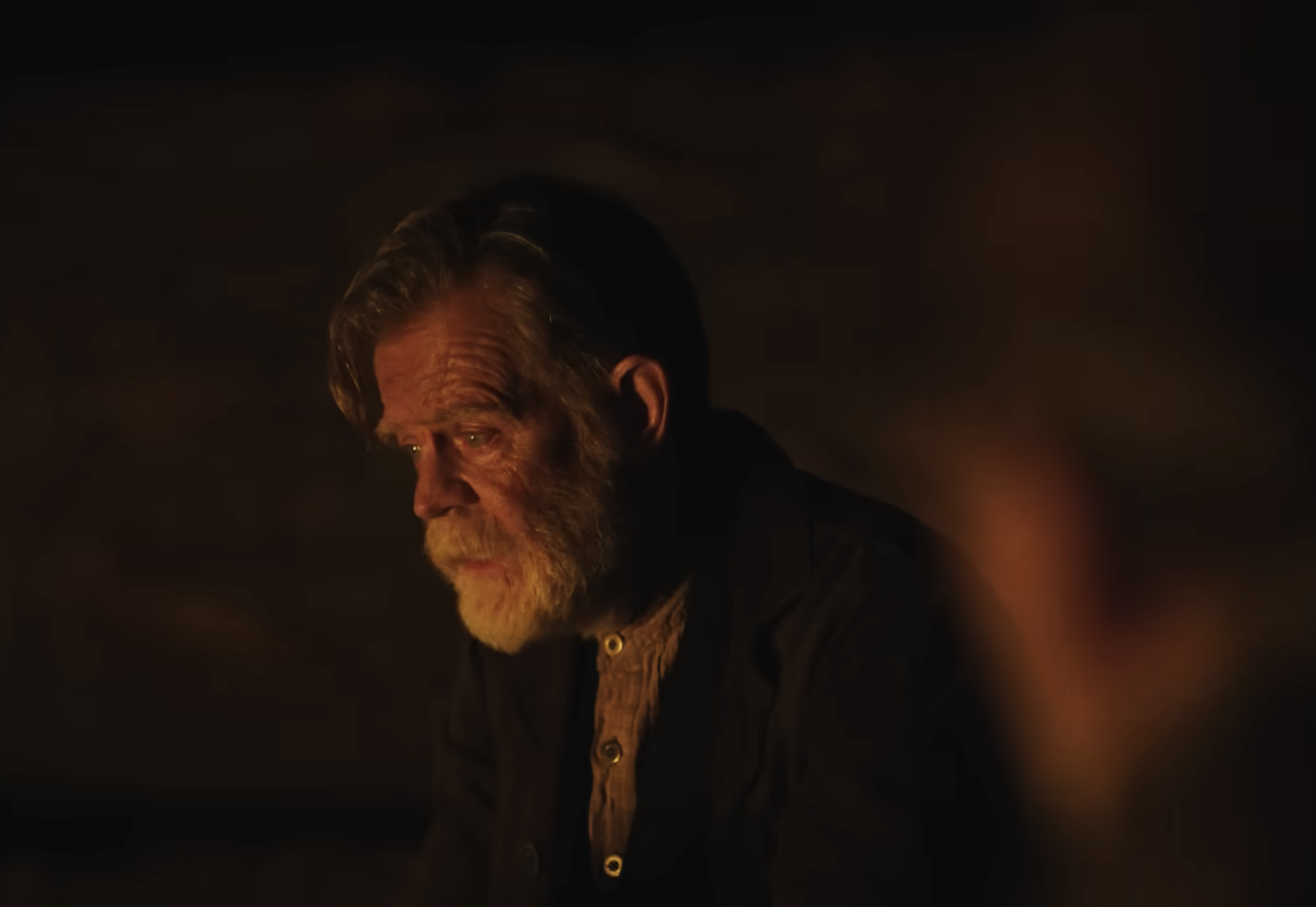
The entire cast is fantastic, pulling you in by embodying the appreciation, joy, guilt, and trauma of the events that unfold. Felicity Jones (Rogue One) conveys resilience, admiration, and quiet sacrifice as Gladys. She complements Grainer’s somber silence, and although the story doesn’t centre around her, Jones’ performance is no less compelling. I am a huge fan of Kerry Condon (F1: The Movie) and she shines here as an intriguing, intelligent, and insightful forest conservation officer. Pairing her with a logger sparks stirring discussions about the healing potential of nature and the difficulties of navigating loss. William H. Macy (Kingdom of the Planet of the Apes) is clever and endearing as the elderly but resourceful Arn. Macy feels different here, still witty and light-hearted, but slower and wiser, quietly foreshadowing Grainer’s future in an ever-progressing world.
The real stand out is Joel Edgerton (Warrior), who gives one of the best performances of his career as Robert Grainer. He is soft spoken but conveys volumes without saying much at all. Edgerton portrays wonder in his eyes at the sight of a loved one, a vulnerable averted gaze in the face of moral conflict, and the desperate pain of a man consumed by guilt. It’s hard not to connect with this character, and his performance deserves a lot of credit in solidifying that investment.
It was so moving that I found myself traveling through the stages of grief along with Grainer. Wishing for what he wishes for, even when it is unspoken. Against all logic, I found myself praying for the same delusion and fantasy to be real, no matter how unlikely it was. I kept clinging to that faint hope. Everything feels genuine, lingering on the denial, while passing through anger, bargaining, and depression, before the final acceptance and appreciation of what was.
Despite how affecting it is, the film has some pacing issues, becoming almost too lean in its later half. As much of a slow burn as this is for the first two thirds, things accelerate too much toward the end. It is jarring to be pushed through these later phases without that same care as before, feeling like a blur by contrast. The conclusion is still cathartic but loses that reflective quality, holding back in its exploration of threads set up earlier. As abrupt as it feels, the medium is matching the message. There doesn’t always need to be a grand revelation or logical through line, sometimes life just happens.
This is not an easy watch. Despite how lovingly it guides you on this journey, there are heart-wrenching moments of grief and loss. I won’t say what it is to avoid spoilers, but want to warn that this is not something you put on to lighten the mood. However, it doesn’t use these moments to cheaply elicit an emotional response, it feels honest and authentic. A reminder to cherish moments of joy while they are here, because nothing lasts forever. It stings like a biting wound but consoles you with the tenderness of a gentle hug.
Contemplative, hypnotic, and momentous, the film is a series of moments connected not by plot but unfiltered emotion. It is not long, but moves with a grace that is rare in modern filmmaking. It takes its time, moving like a mellow stroll through the woods, where time stands still even as hours quietly pass. Some may find it too dawdling but I love a good slow-burn. Train Dreams is a mesmerizing fable about the beauty of family and the listless bewilderment of loss, leaving me both broken but somehow content.
8.5/10 - Even though the story is over, even though the credits rolled past and music faded out, you can still feel the echo of this film long after it’s done.

A spoiler-free review of Christopher Nolan’s grandiose and ambitious rendition of Homer’s epic poem, starring a massive ensemble led by Matt Damon.