
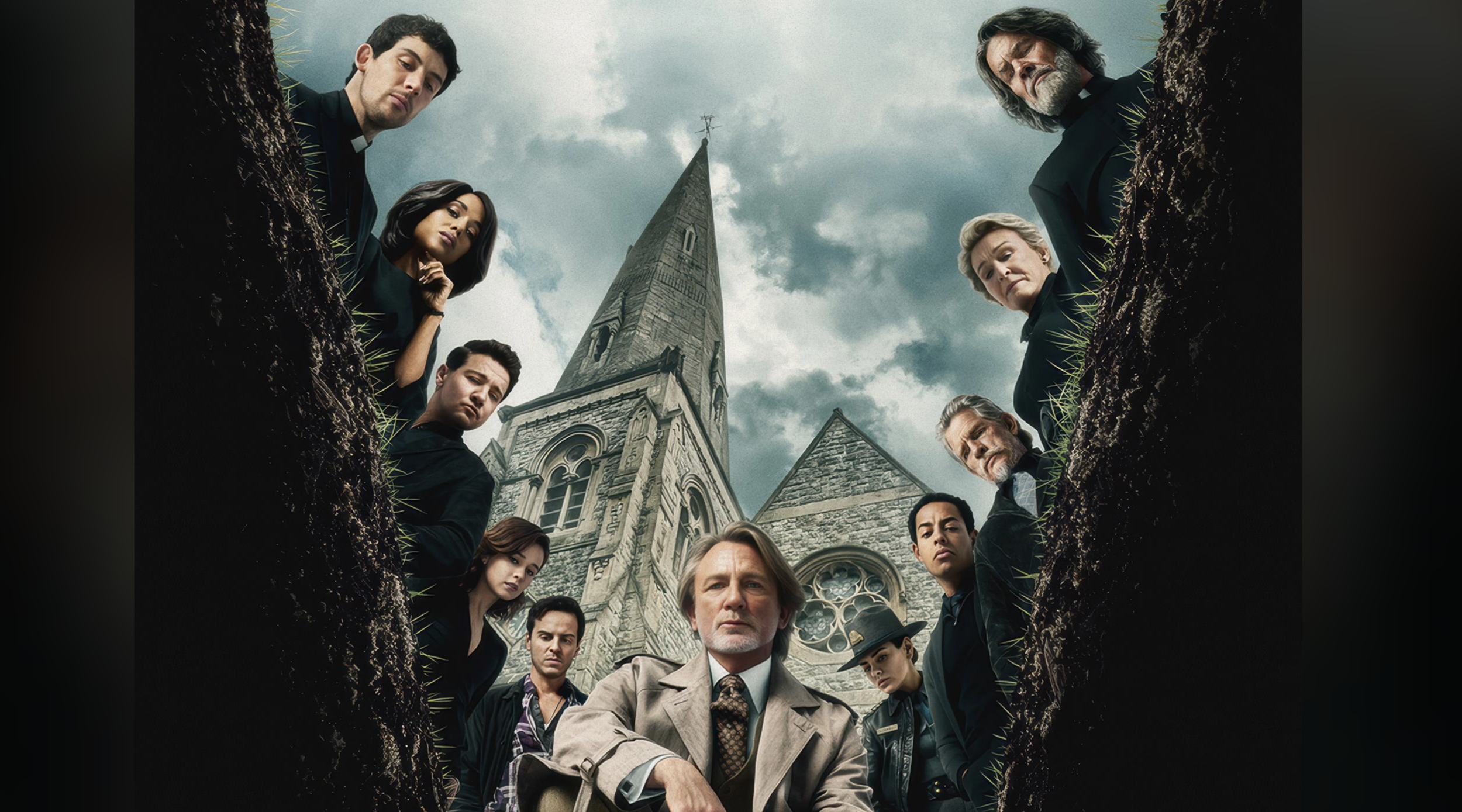
Wake Up Dead Man: A Knives Out Mystery
Released November 26, 2025 (Theatres) and December 12 2025 (Netflix)
Written and Directed by Rian Johnson
* No Spoilers - but some brief discussion about the themes and story structure *
Rian Johnson is back with Wake Up Dead Man, the newest in his clever, charming, and politically charged take on the murder mystery. Johnson first turned the genre on its head with 2019’s Knives Out, and though not as impressive, 2022’s sequel Glass Onion was a topical, tongue-in-cheek whodunnit with a massive ensemble cast. Johnson’s latest tale about the legendary Benoit Blanc brings back the charm of the first film, while nailing the social commentary far better than Glass Onion, making Wake Up Dead Man a contender for the best of the series.
Johnson takes a genre that should feel formulaic and cliche and spins it into something fresh, both for the whodunnit and in how it’s crafted. The story is independent from the other two films, so you don’t have to do any catching up before watching. It’s a shame this only has a limited theatrical run before hitting Netflix, because it absolutely benefits from being seen on a massive screen, without interruptions and without scrolling on a phone.
The Knives Out series is constantly subverting expectations, answering “why” and “how” rather than “who”. Glass Onion did something similar while also riffing on social media, COVID, and celebrity culture. Both films showcased phenomenal ensemble casts with some of the biggest names in Hollywood. Wake Up Dead Man takes the best of both movies and weaves a nuanced, topical, and beautifully made third entry.
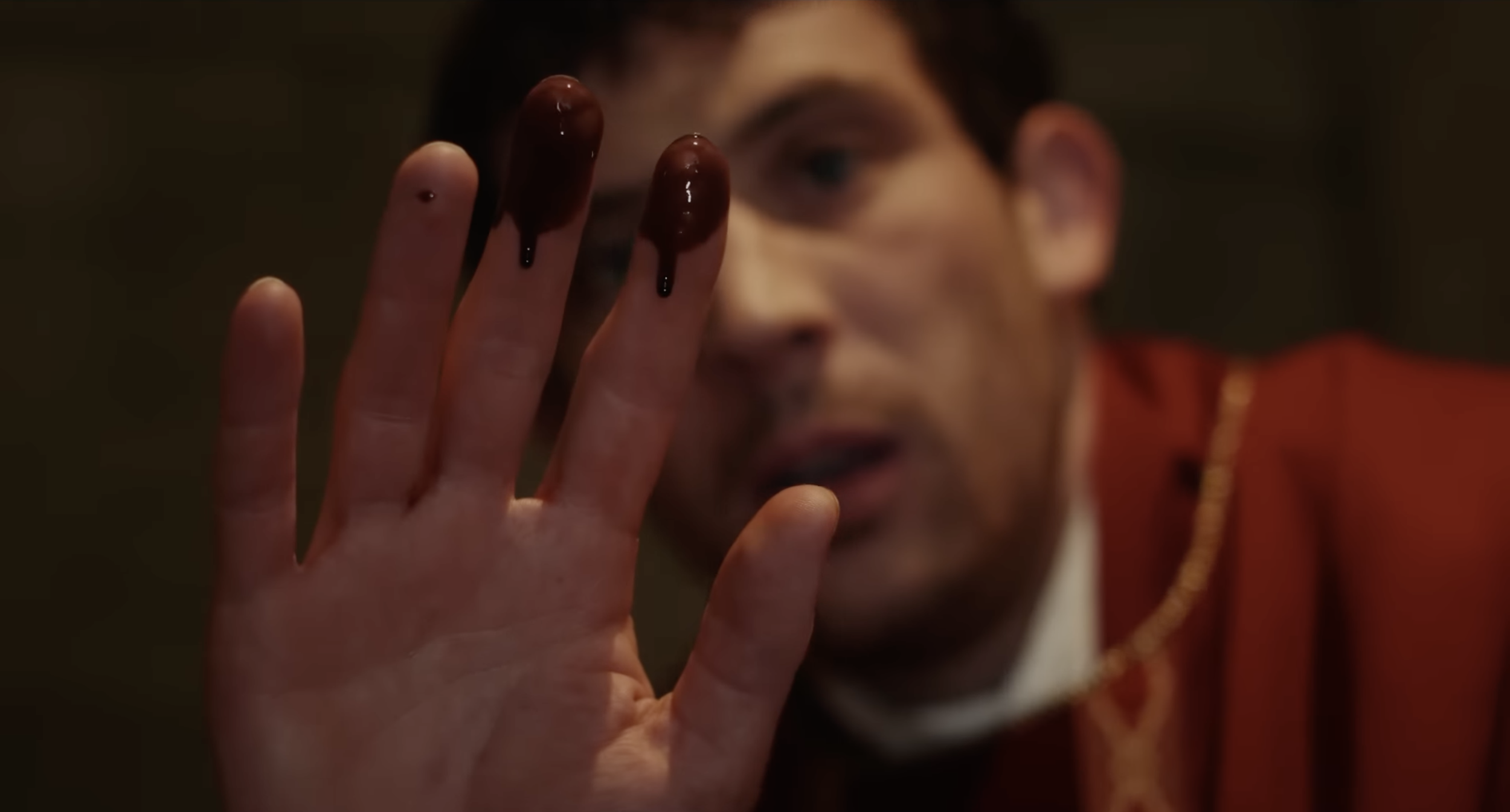
The story pulls no punches as it tackles the concepts of faith, religion, and belief. Investigator Benoit Blanc, a “staunch heretic” and rationalist is thrown into a world of the unexplainable. The film isn’t an attack on religion, far from it. While we see characters using religious institutions for their own personal gain, it also highlights the power of sincere spiritual guidance and compassion. It’s a criticism not of faith, but of greed and ambition.
My favourite scene is where Father Jud, played by John O’Connor, is caught up in solving the mystery and rushing to get an answer when a woman on the phone is clearly in need of someone to talk to. Jud pauses, consoles a grieving woman, and has a profound epiphany about what really matters. Meanwhile, Blanc and the audience, deeply entrenched in their distrust of the church, are suddenly hit with the true power of faith. Seeing first hand how small acts of mercy, compassion, and service can carry tremendous weight.
Johnson uses each of the characters to unveil a facet of this underlying message. Some are sceptics, others are blindly faithful, and the worst of them twist what is meant aid others into a weapon. He is not shy about showing institutions being infiltrated by opportunistic politicians, or how greedy grifters profit monetarily by fabricating and feeding so called “culture wars”. Yet there are others who extend mercy by opening their arms to embrace rather raising their fists to defend. This could have easily been a one sided critique, but it takes its time to explore multiple perspectives with nuance.
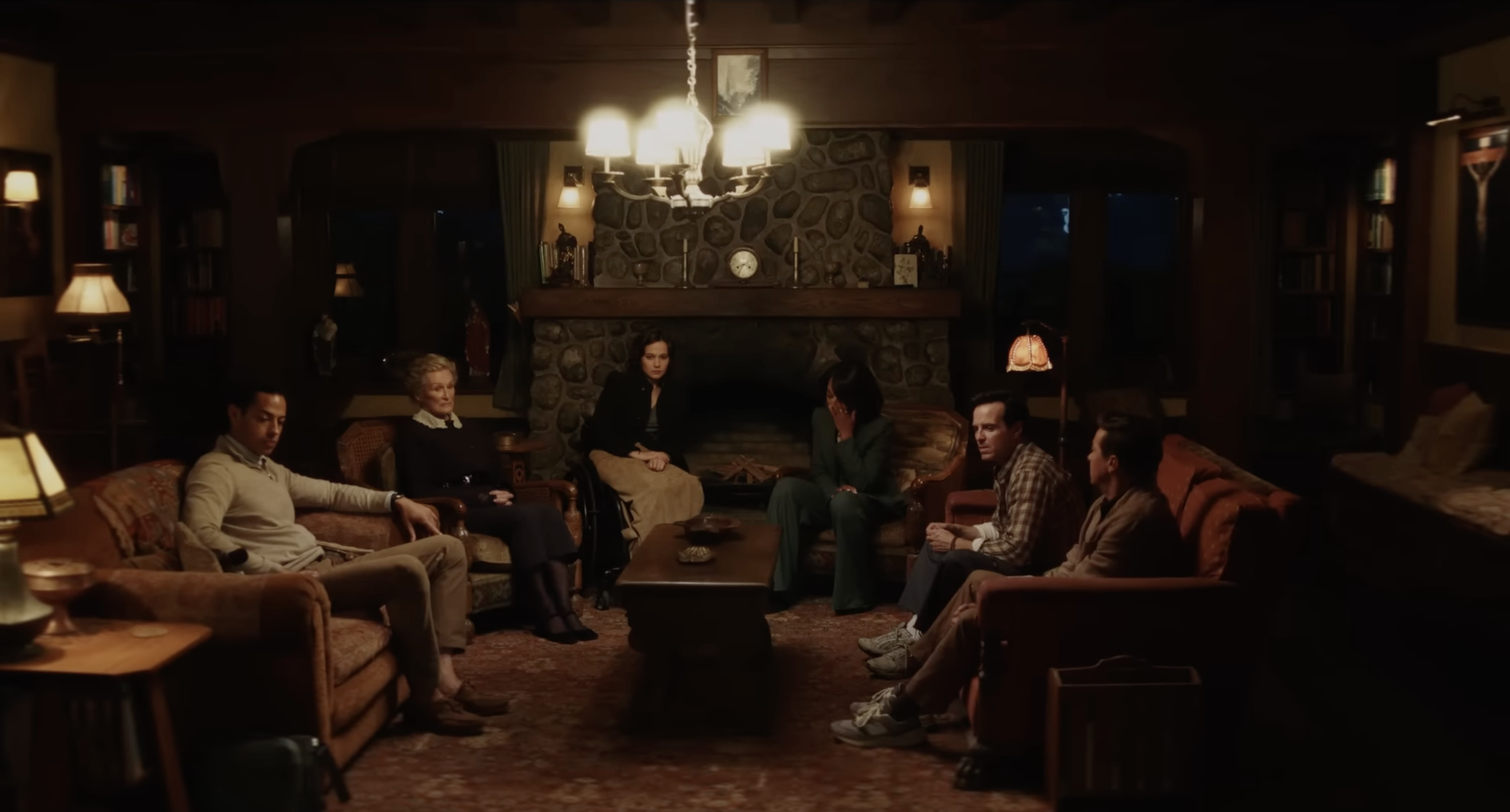
The direction is brilliant, with so many deliberate and direct visual distillations of theme. This care and precision, when paired with a beautifully crafted narrative structure, elevate the film beyond being a clever whodunnit. The first act spends considerable time building the setting and characters before introducing Blanc. Some will surely miss having him there from the start, but delaying the payoff makes his arrival special.
I loved the writing and the dialogue is powerful, full of double entendres and deeply intense lines like, “You are but one Psalm in the Bible of my bitterness”. There are constant flips of perception that kept me guessing at every turn. Playing with context and perception is one of the strongest parts of this story, both thematically and structurally. Incidents take on new meaning when we see them from another vantage point or with a small detail added.
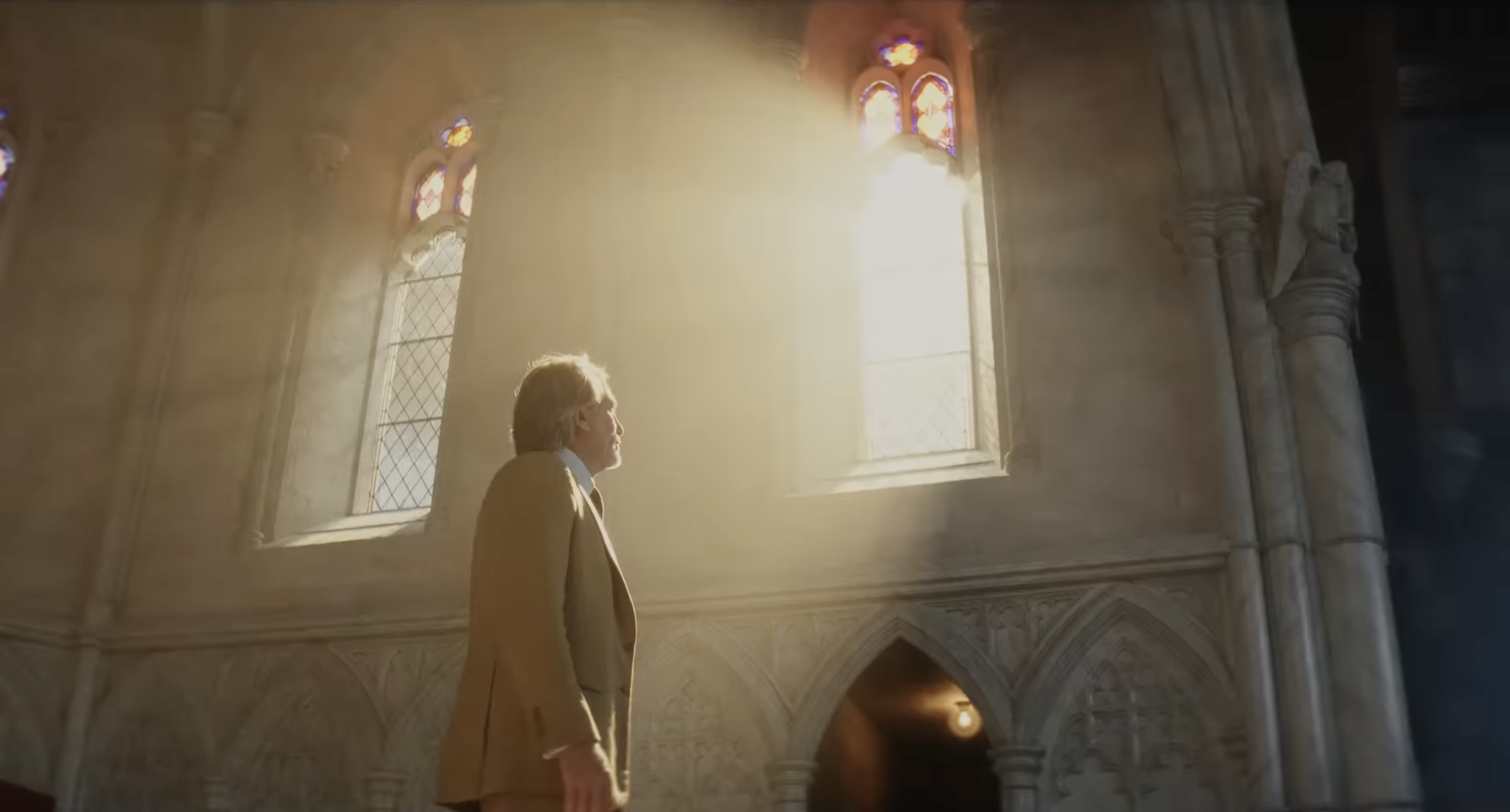
Visually this is an absolute feast for the eyes. Yet another reason why a two-week theatrical release window does this film disservice, as most people will likely end up watching it on a phone or laptop. There are extreme close-ups that reveal emotion in the eyes you may not see from afar or on a small screen. I also loved the use of deep camera pushes, where we start at a distance and end up right next to a character, or vice versa, revealing or obscuring details to change our perception. The most impressive part of this was the incredible use of lighting. There are scenes inside the church where the light flooding in through the windows is blocked by clouds outside. Jud and Blanc, representing faith and skepticism, are illuminated and darkened as their conversation progresses. It’s a brilliant because of how natural it looks. The changes in light aren’t from a switch or a door opening, but from nature itself. Whether achieved on a sound stage or using exterior lights flooding into the church, however they did it, the result is mesmerizing in it’s authenticity.
The music and sound are executed masterfully. That sharp, rhythmic violin typical of the Knives Out series returns as a powerful emotional undercurrent that never overshadows the dialogue. Johnson matches the setting to the events of the story: there are raucous storms when chaos strikes, and the echo of the church turns regular conversations into resonant speeches. The soundscape is striking, immersing the audience and creating an atmosphere that feels seamlessly aligned with nature and the surroundings.
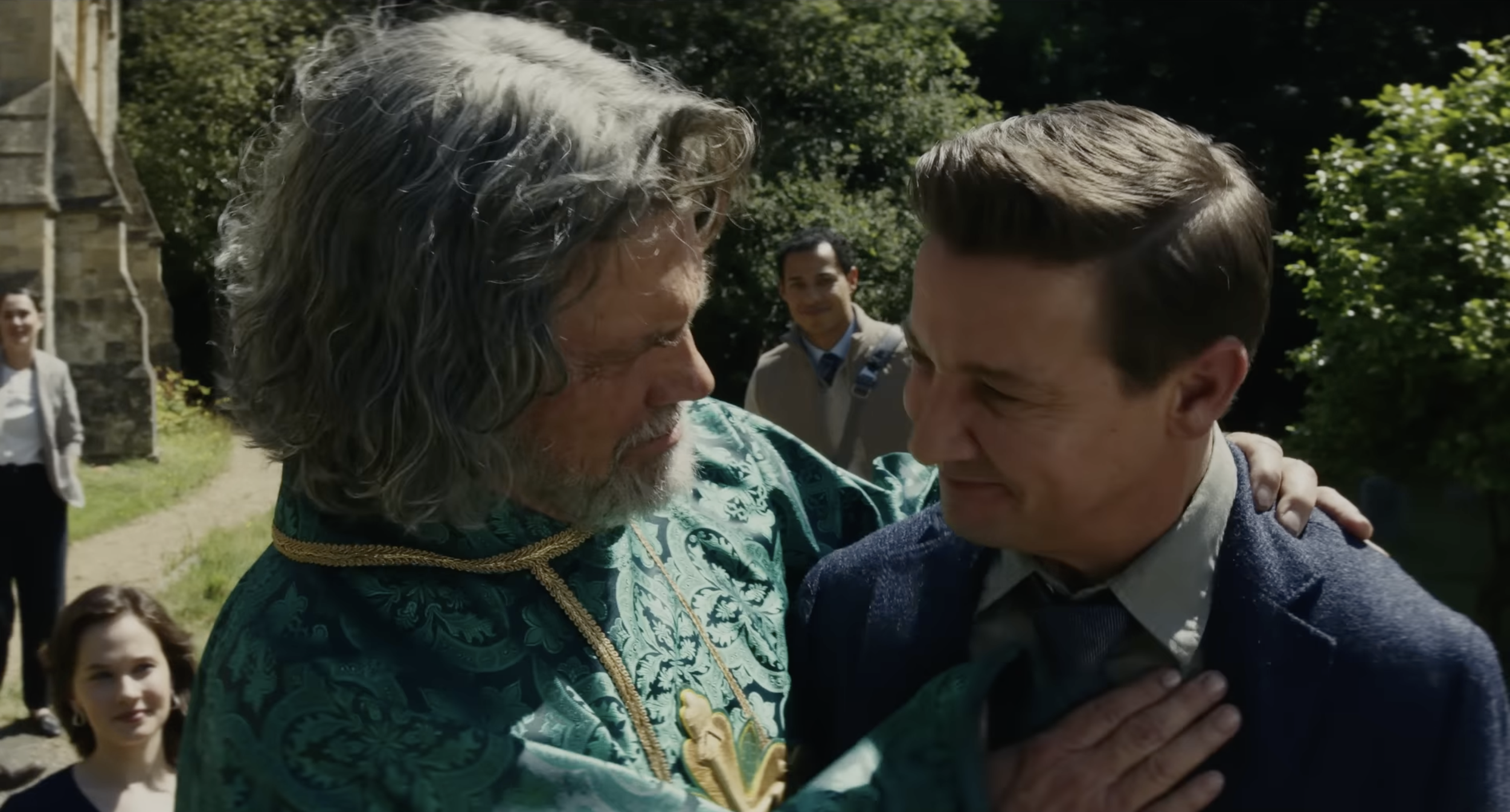
Wake Up Dead Man, like its predecessors, features a huge ensemble cast. If I broke down every character this review would be a novel but they are all great. Craig (No Time To Die) returns as Benoit Blanc, this time a bit older, wiser, but still charming as ever with his southern drawl. However, as the story progresses we see him open himself to accepting his ignorance of the unknown. Where the other two films used Blanc as an infallible guide, this movie fleshes him out and gives him some sincere growth and reflection.
Josh O’Connor (Challengers) is fantastic as Father Jud, the young priest haunted by his past. Like Ana de Armas in the first movie, he is our point-of-view character. His performance is relatable, honest, and genuine. Josh Brolin (Weapons) plays Monsignor Wicks, the bombastic intimidating pastor who channels some very imposing Thanos energy. The legendary Glenn Close (Swan Song) is fantastic as a zealously faithful church secretary, Kerry Washington (Scandal) is intense as a local attorney, and Andrew Scott (Blue Moon) is perfectly slimy as a writer exploiting the church. Daryl McCormack (Twisters) plays Sai a political opportunist posting Wicks’ sermons online to gain clout, Jeremy Renner (Hawkeye) is a physician whose personal life is crumbling, and Cailee Spaeny (Civil War) is a disabled musician hoping for a miracle. All of these characters are damaged souls, either turning to the church to fill a void or attempting to exploit its power. Everyone is given moments to shine, which is no small feat when balancing such a massive cast.
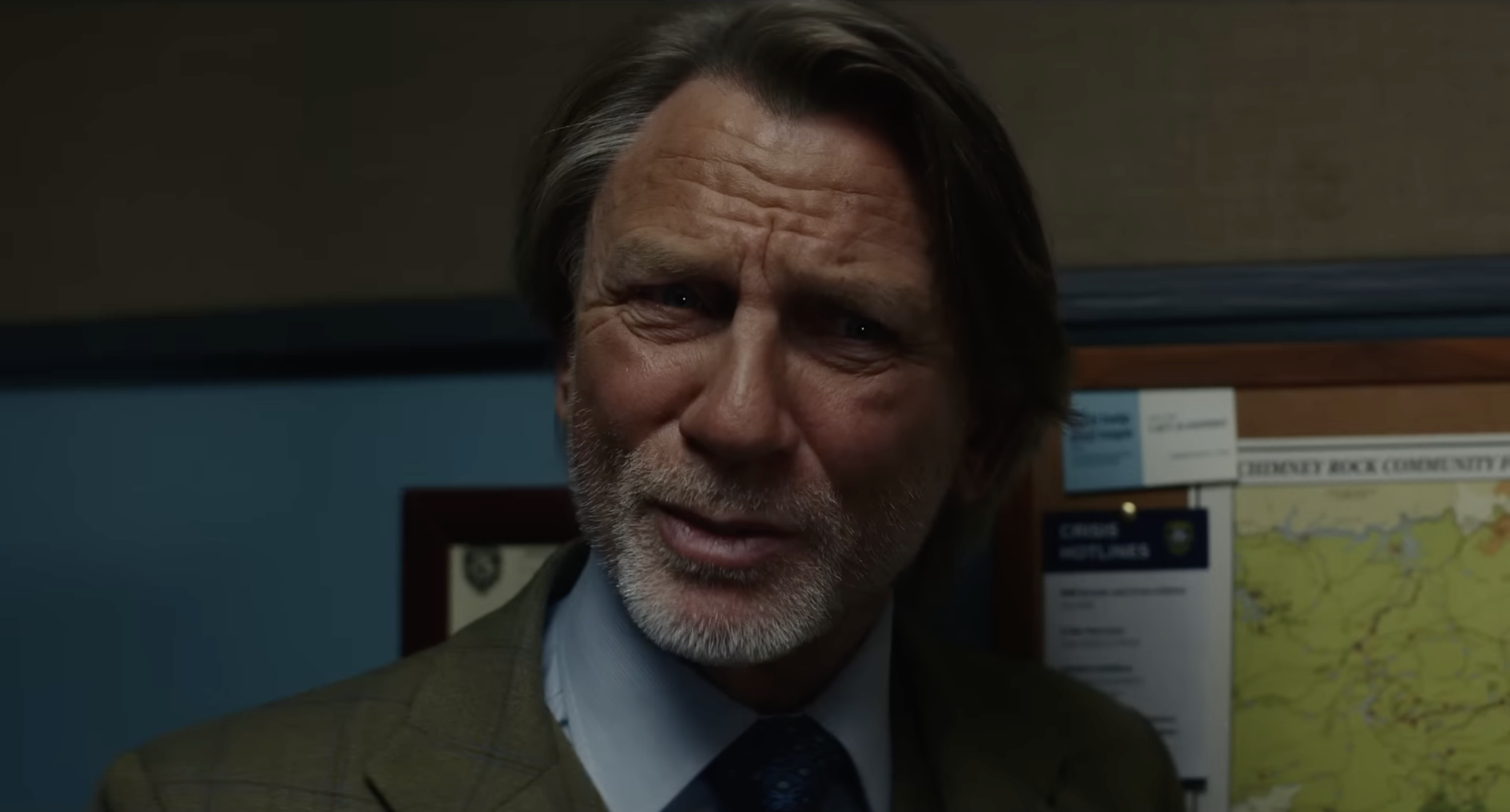
Rian Johnson is controversial, it’s in his nature. True to form, he delivers an experience that engages the audience, makes them think, and constantly plays with expectations. This is a top-tier murder mystery with phenomenal direction, stunning cinematography, and nuanced performances. Fleshing out Blanc as a character breaks the formula and makes him feel more familiar than mythic. The story is brilliantly crafted and delivered with a cohesive thematic through-line that is reflected in the composition of shots, character blocking, and set design. I love a cohesive package, especially one that is so surgical in its filmmaking precision.
The dialogue about faith and institutional religion is handled with care and nuance, and I have deep respect for how masterfully it walks that tightrope. Others may find it preachy at times but for me it struck a balance that is worthy of praise. It’s sure to irk those who may not appreciate its subtleties and is certainly damning to those who see themselves reflected in some of the characters. Johnson wants us to have conversations, and great films should spark them, no matter how uncomfortable.
9/10 - Wake Up Dead Man is more impactful and resonant than Glass Onion and though not as fresh or revolutionary as Knives Out, it is just as masterful in its execution. I wish this had a longer theatrical release because it is deserves to be experienced in a theatre.

A spoiler-free review of Christopher Nolan’s grandiose and ambitious rendition of Homer’s epic poem, starring a massive ensemble led by Matt Damon.